Exploring Finland Through Design and Wellbeing
Finland has long been known for its forests, lakes, saunas and clean-lined Nordic design. Now, one of the country’s most influential design stories has received global recognition, with the Aalto Works inscribed on the UNESCO World Heritage List in 2026.
The newly recognised Aalto Works bring together 13 buildings and architectural ensembles across Finland, designed by Alvar, Aino and Elissa Aalto between 1928 and 1988. Together, they tell a story not only of modern architecture, but of Finnish society, nature, wellbeing, creativity and everyday life. UNESCO describes the collection as a major contribution to modern architecture, shaped by a human-centred and site-specific approach.
For travellers, this recognition opens up a fresh way to explore Finland. For travel designers and agents, it creates a compelling new cultural thread to weave into tailor-made Nordic itineraries, especially for guests interested in design, culture, architecture and slower, more thoughtful journeys.
Why Aalto matters now
Alvar Aalto is one of Finland’s most internationally recognised architects and designers, but the UNESCO listing also highlights something important: this was not the work of one person alone. The Aalto Works reflect the combined creativity of Alvar Aalto, Aino Marsio-Aalto, Elissa Aalto, the Aalto studio and their design partners.
Their work helped shape Finland’s modern identity. These buildings were not created simply to be admired from the outside. They were designed to be lived in, worked in, healed in, learned in and gathered in.
That is what makes Aalto’s architecture so relevant to travel today. It is not only about lines, materials and forms. It is about how people experience place.
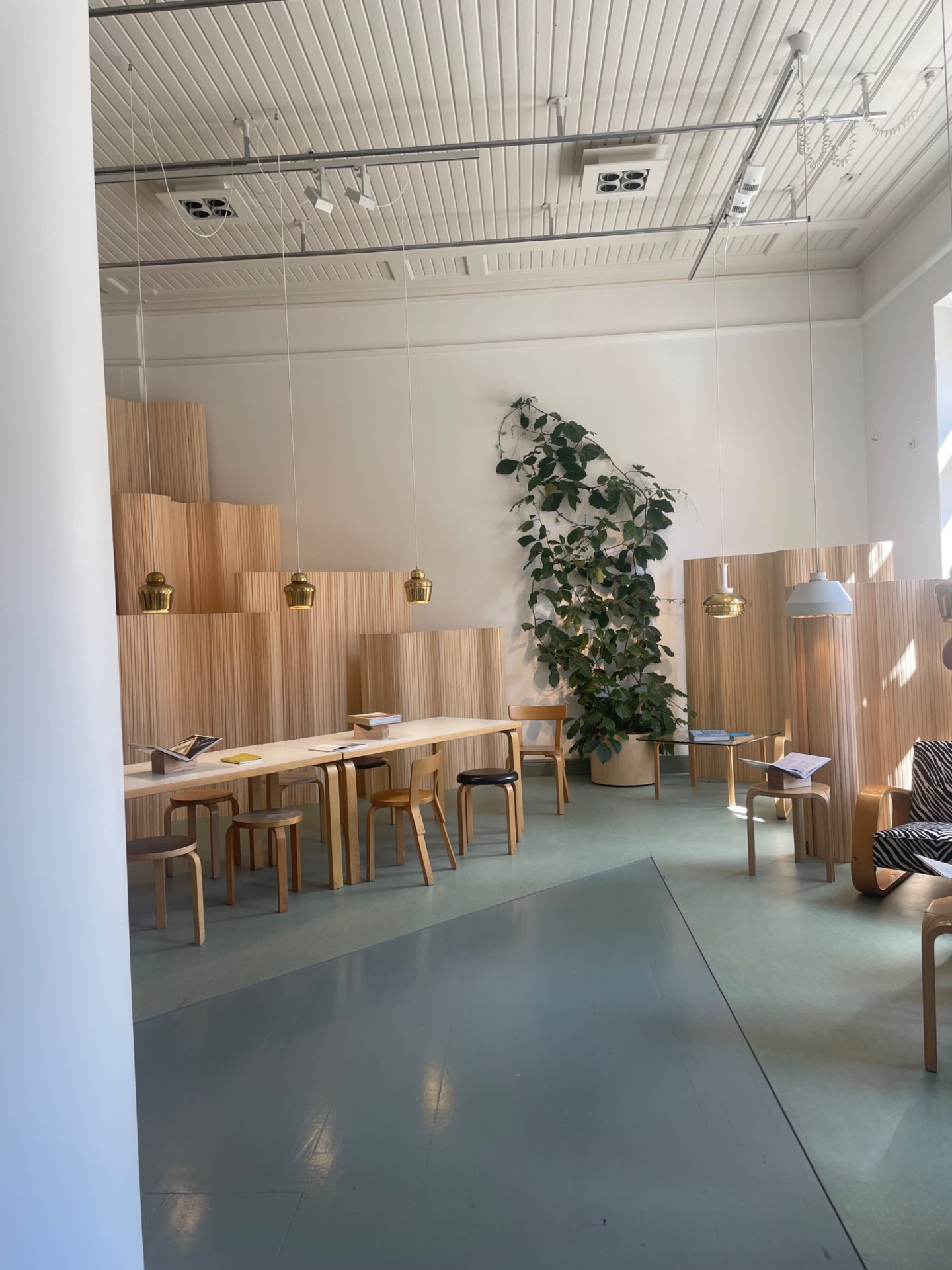
Aalto’s approach was deeply human. His buildings often respond to the surrounding landscape, the changing Nordic light and the needs of the people using them. Wood, brick, curves, carefully framed views and considered interiors all play a role in connecting architecture with daily life.
For visitors, this makes Aalto’s Finland feel accessible, emotional and deeply rooted in place.
Design as a form of wellbeing
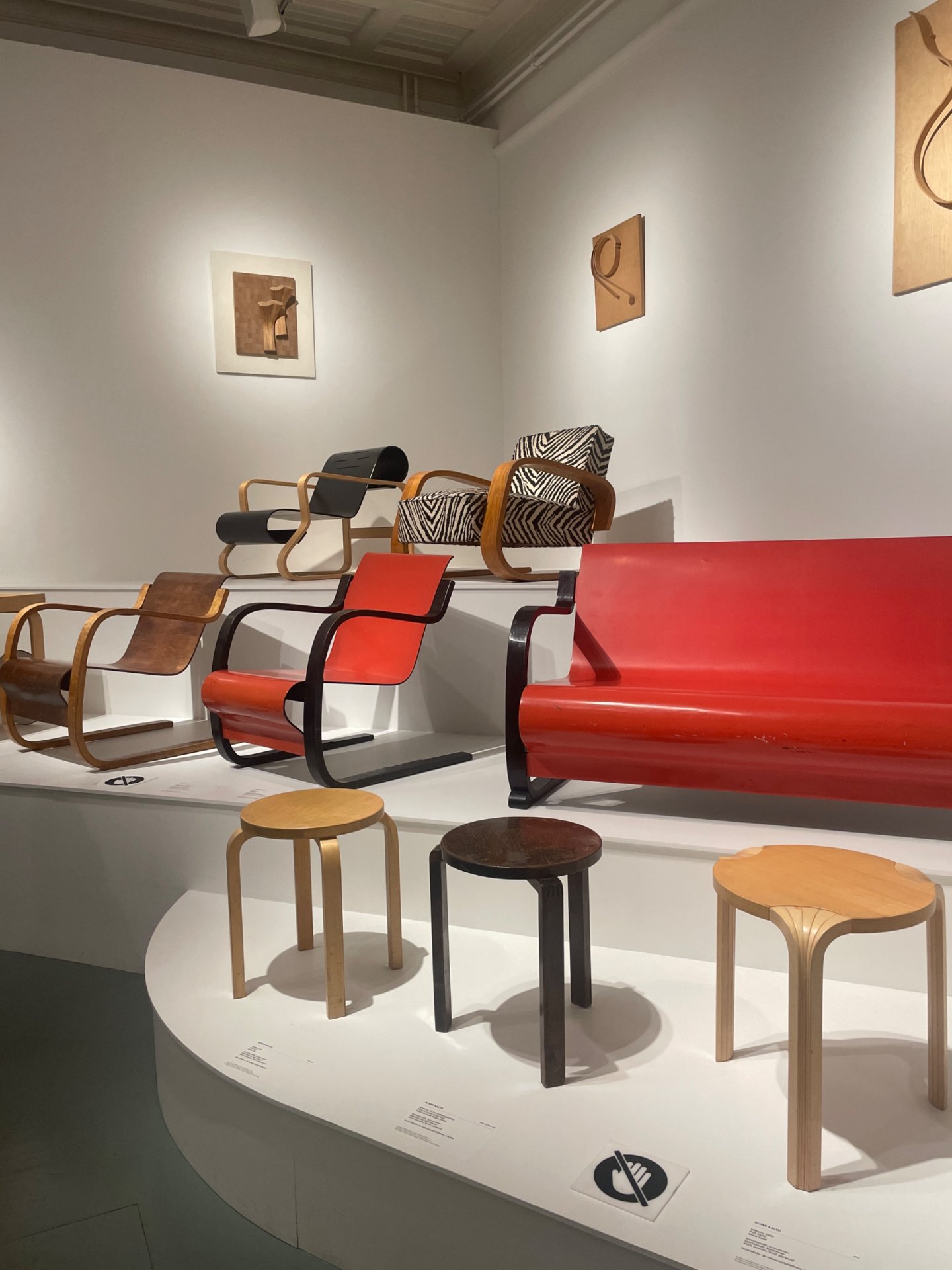
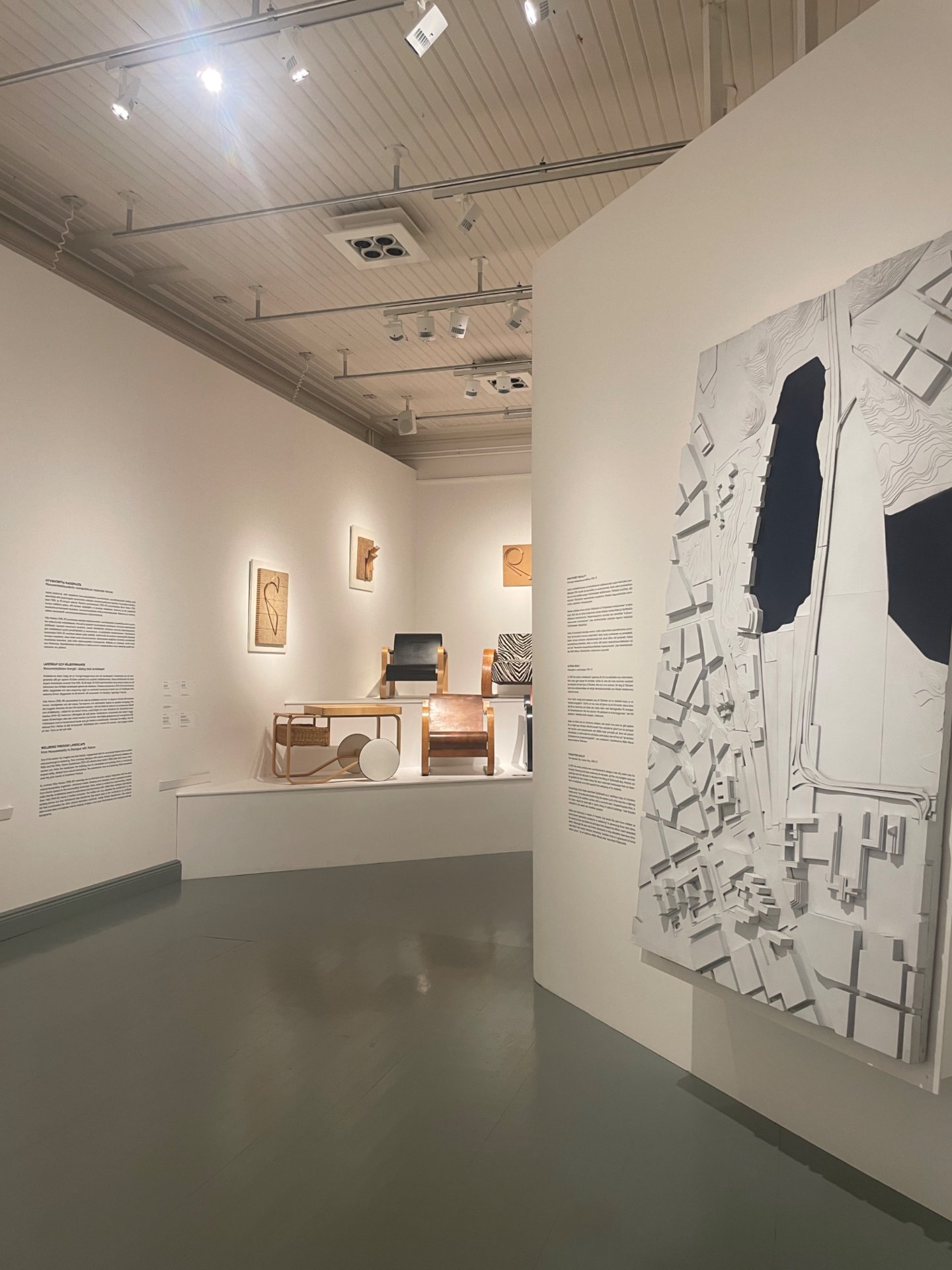
This idea of architecture supporting wellbeing feels especially timely. When Annika from All Nordics was in Helsinki just two weeks ago, she visited the Architecture and Design Museum’s exhibition, Aalto Design: Shapes of Wellbeing. Apart from walking past Finlandia Hall, it was her main Aalto-focused experience during the trip, but it offered a powerful perspective on why this UNESCO recognition matters now.
The exhibition explores the work of Alvar, Aino and Elissa Aalto through the lens of wellbeing, asking what these design classics can contribute to contemporary conversations about how we live, rest, heal and interact with our environments.
For Annika, it was a reminder that Aalto’s legacy is not only about architecture or furniture design. It is about how spaces make people feel. Natural materials, soft curves, carefully considered light and a strong relationship with nature all come together to create environments that feel calm, practical and deeply human.
This is where Aalto becomes especially interesting for modern travel. In a Nordic context, wellbeing is not treated as an add-on. It is often built into the way people live, from lakeside saunas and forest cabins to public buildings, design hotels and city spaces created with daily life in mind.
For guests, this is not only an architecture story. It is a wellbeing story.
Aalto’s work helps explain why certain spaces make us feel at ease. Why natural materials matter. Why light changes the mood of a room. Why a building can support rest, recovery, community or creativity. These are the same ideas that sit behind many of the best Nordic travel experiences, from lakeside cabins and sauna rituals to design hotels, forest retreats and slow days shaped around the natural environment.
The UNESCO-listed Aalto Works
The Aalto Works listing includes 13 sites across Finland, ranging from civic centres and cultural landmarks to private homes, educational buildings and residential areas.
The listed sites include Paimio Sanatorium; the Sunila Pulp Mill residential area in Kotka; the Muuratsalo Experimental House; Säynätsalo Town Hall; the Aalto Campus at the University of Jyväskylä; Seinäjoki Civic Centre; the Church of Three Crosses in Imatra; the National Pensions Institute, House of Culture, Studio Aalto, the Aalto House and Finlandia Hall in Helsinki; and Villa Mairea in Pori.
Together, they create a journey through Finland’s architectural and social history. Some sit in cities, others in smaller towns or rural settings. Some are well-known landmarks, while others feel more quietly embedded in local life.
This range is part of the appeal. Aalto’s work gives travellers a reason to move beyond the obvious stops and discover Finland through a more thoughtful, design-led lens.
A new cultural route through Finland
For agents and travel professionals, the UNESCO recognition creates exciting new possibilities.
Aalto’s buildings can be incorporated into a wider Finland itinerary in many different ways. A Helsinki stay might include the Aalto House, Studio Aalto, Finlandia Hall and the House of Culture, offering a strong introduction to his life and work. The Architecture and Design Museum exhibition also provides a timely and accessible starting point for guests travelling while it is open.
From Helsinki, guests could continue to Jyväskylä, often described as a key Aalto destination, where the Aalto Campus and nearby Säynätsalo Town Hall provide a deeper look at his architectural philosophy. For guests travelling west, Villa Mairea in Pori offers a beautiful connection between architecture, art, private living and the Finnish landscape. Further east, the Church of Three Crosses in Imatra brings Aalto’s work into conversation with spirituality, light and silence.
These sites can also be paired with wider Nordic experiences. A design-focused Finland journey might include private museum visits, local guides, Finnish food culture, lakeside stays, sauna rituals, forest walks and meetings with contemporary designers or craftspeople.
Rather than standing alone, Aalto becomes a thread that ties the journey together.
Perfect for the culturally curious traveller
The UNESCO inscription comes at a time when many travellers are seeking more meaningful ways to experience a destination. They want to understand how a place thinks, lives and creates. They are interested in culture, but not necessarily in a traditional museum-heavy itinerary.
Aalto’s Finland is ideal for this type of traveller.
His work touches architecture, furniture, urban planning, education, healthcare, community spaces and private homes. It gives visitors insight into Finnish values such as functionality, equality, simplicity, wellbeing and closeness to nature.
For guests who already love Nordic design, the Aalto Works offer context and depth. For those new to architecture, they provide an accessible and visually engaging way into Finland’s cultural identity.
This is especially valuable for luxury travellers who want specialist access, expert interpretation and experiences that feel personal rather than generic.
More than architecture
What makes the Aalto Works so powerful is that they are not simply buildings to look at. They reflect a broader idea of Nordic life.
Paimio Sanatorium, for example, was designed with the wellbeing of patients in mind, showing how architecture could support healing. Säynätsalo Town Hall brings civic life, community and craftsmanship together. The Muuratsalo Experimental House reveals Aalto’s curiosity and willingness to test materials and ideas. The Helsinki sites offer a more intimate look at the places where Aalto lived, worked and shaped his practice.
Across the collection, there is a consistent sense of care. Care for the user, care for the landscape, care for light, proportion, material and mood.
This is where the travel opportunity becomes so interesting. Aalto’s work invites guests to slow down, notice details and experience Finland through feeling as much as through sightseeing.
Why this matters for Nordic travel
For All Nordics, the UNESCO recognition of the Aalto Works is a reminder of how rich and varied Nordic travel can be.
Finland is often sold through winter landscapes, Lapland, the Northern Lights, Santa experiences or summer lake escapes. These remain powerful reasons to visit. But the Aalto Works add another layer, especially for travellers looking for culture, design, architecture and a deeper sense of place.
They also help extend the story of Finland beyond a single season. Aalto-inspired itineraries can work beautifully in spring, summer and autumn, when guests can combine architecture with city life, lakes, forests, coastlines and local food.
For repeat travellers to the Nordics, this offers something new. For first-time visitors, it creates a richer and more distinctive way to understand Finland.
Designing Aalto into future itineraries
The best Aalto journeys will not feel like a checklist. They will feel curated, paced and connected.
A guest might begin in Helsinki, exploring the Aalto Design: Shapes of Wellbeing exhibition before visiting Aalto’s home and studio with a specialist guide. They might walk past Finlandia Hall with a deeper understanding of how public buildings can shape the cultural life of a city, then dine in one of Helsinki’s design-led restaurants.
From there, they might continue to Jyväskylä to experience the relationship between architecture, education and landscape, then spend time by the water at a lakeside retreat. Another journey might pair Aalto sites with Finnish sauna culture, contemporary art, local makers and slow travel by rail or private transfer.
For incentive groups, Aalto’s civic and cultural buildings can bring an intellectual and creative dimension to a programme. For FIT travellers, they offer a refined special-interest angle. For design enthusiasts, they can become the foundation of an entire itinerary.
The UNESCO listing gives these experiences a new level of international recognition, but the real value lies in how they are interpreted on the ground.
A Finland worth looking at differently
The inscription of the Aalto Works on the UNESCO World Heritage List is an important moment for Finland, but it is also an invitation.
It invites travellers to see Finland through architecture, design and wellbeing. It invites agents to think beyond the obvious and create journeys that connect culture, landscape and local expertise. And it reminds us that the Nordics are not only places of dramatic nature, but also places of extraordinary creativity and human-centred thinking.
For those looking to explore Finland in a more meaningful way, the Aalto Works offer a beautifully designed route into the heart of the country.