By Karolina Toka
The boat slows as we approach a small rocky islet. Dark tide lines stain the rock rising from the water, evidence of how much higher the sea usually stands. It is an unusually cold May. The snow in the mountains has not yet melted and rushed down the steep slopes, feeding the fjord with the force of spring runoff.
Just above the waterline begins a narrow strip of green, and higher up, the islands are covered in dense forest. Suddenly, an eagle lifts itself from the trees. For a moment, we glide alongside the coastline together, although one of us does so far more majestically.
This was one of many unforgettable moments during our recent FAM trip exploring the Sognefjord region north of Bergen, one of the most spectacular areas of Norway and a destination we increasingly recommend for tailor-made itineraries.
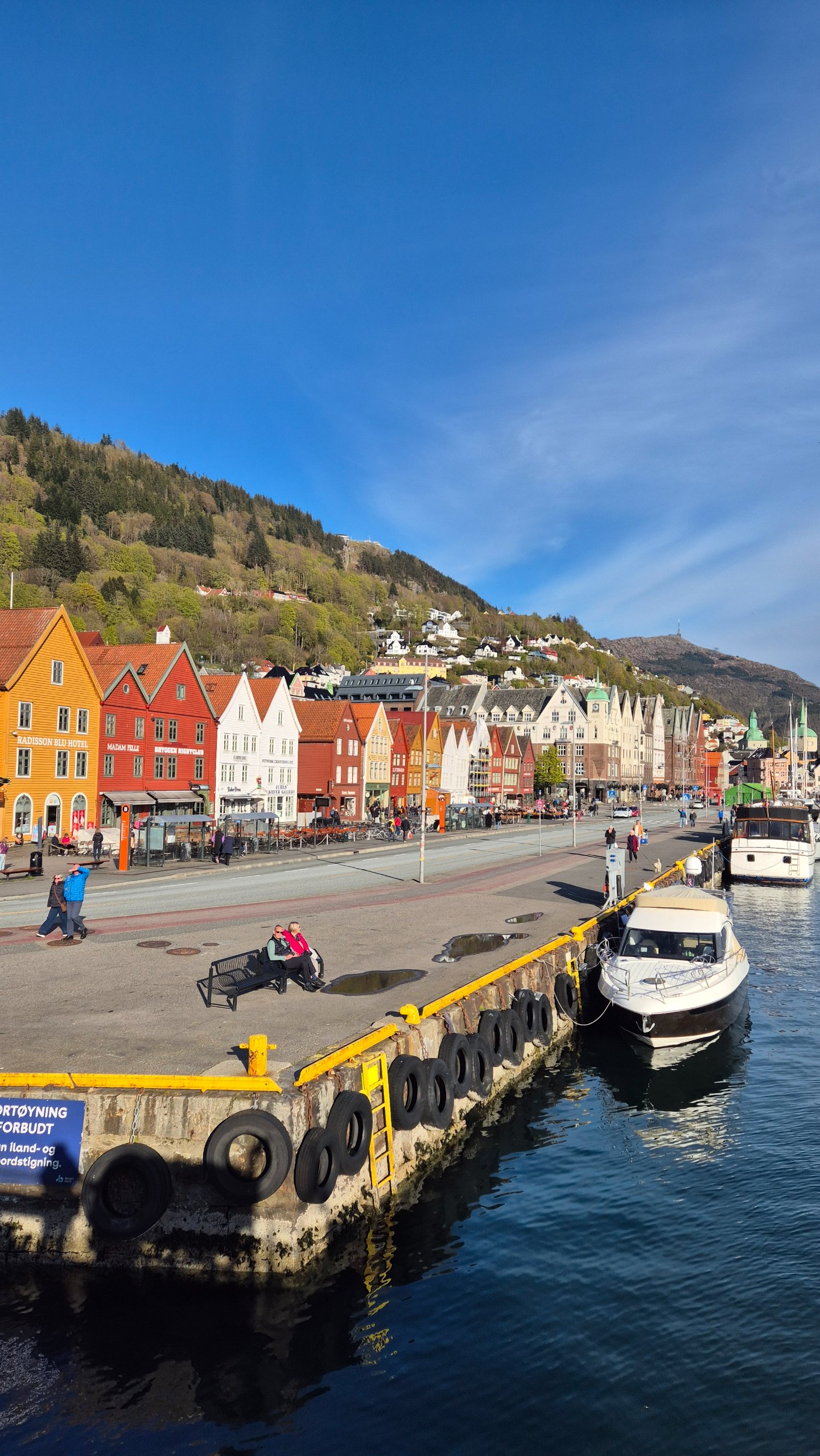
Understanding the Fjords Means Experiencing Them from the Water
“The word fjord is one of the few Norwegian words that made an international career,” our guide Lars explained as we entered a calm bay between the island and the mainland.
Originally, the word described a passage or crossing point, a route travelled by boat. Long before roads connected western Norway, the fjords were the country’s lifelines. Villages, churches, and communities were built around the water because the sea was the easiest way to travel through the dramatic landscapes.
That feeling still exists today.
Although the fjords are now recognised worldwide for their geological beauty, long, narrow sea inlets carved by glaciers thousands of years ago, they are best understood from the water itself.
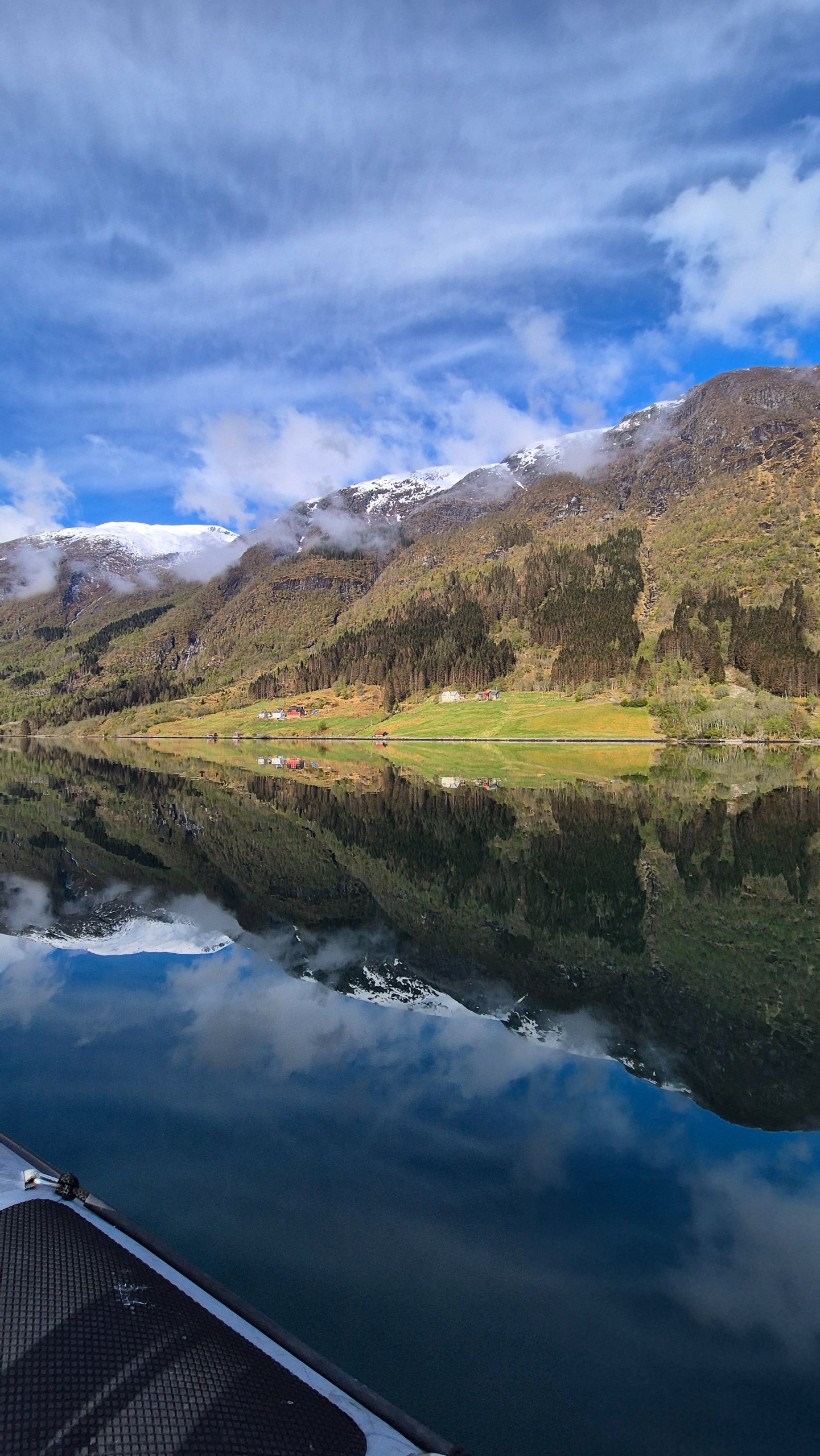
During our journey through Sognefjord, the longest and deepest fjord in Norway, it became impossible not to feel completely immersed in the landscape. Mountains rise directly from the water on every side, waterfalls cut through steep rock faces, and tiny villages appear almost impossibly tucked into the shoreline.
It is only from the middle of the fjord, where you truly understand the scale of it.
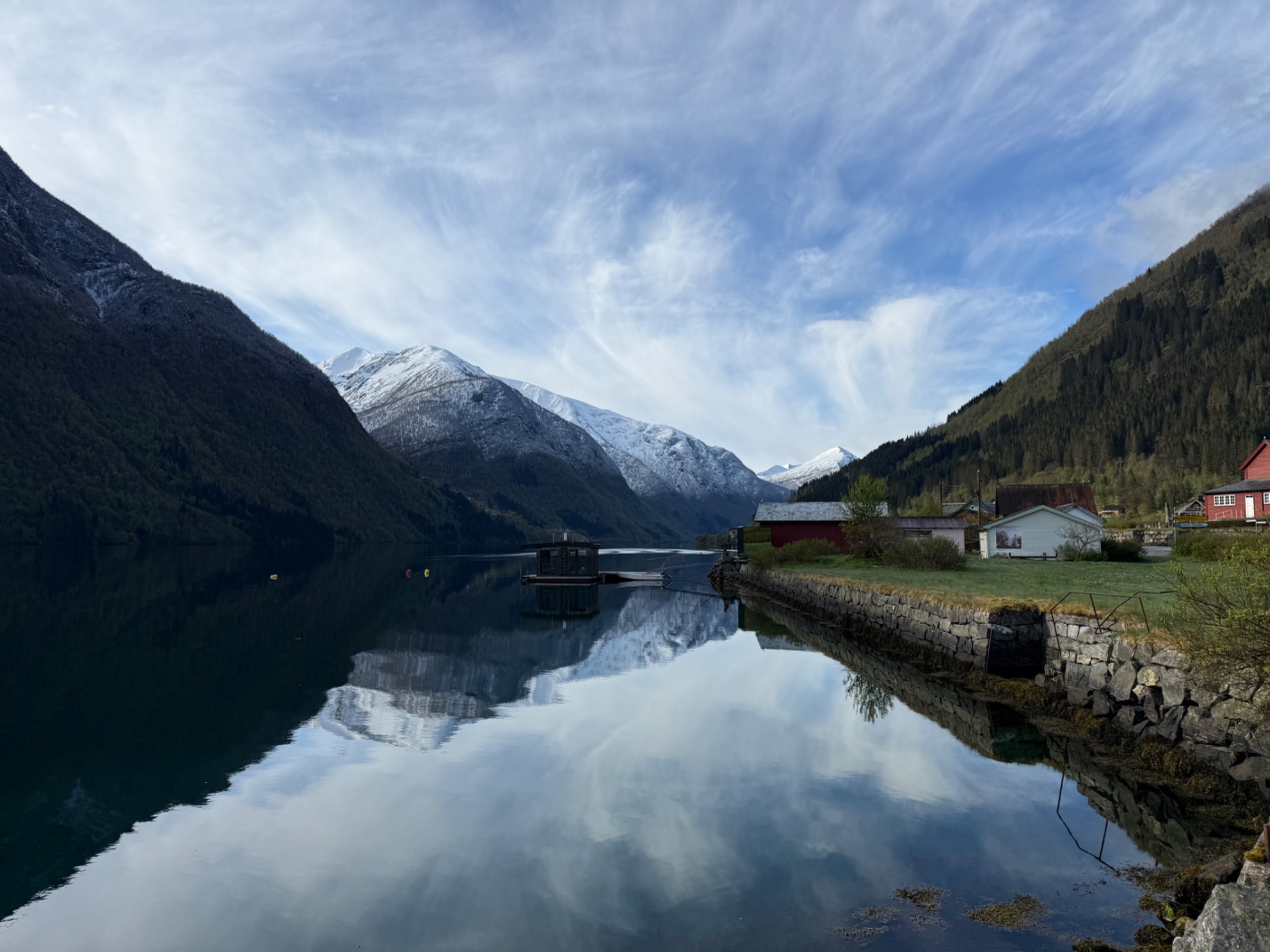
Why Boat Experiences Matter in Tailor-Made Norway Itineraries
At All Nordics, we always try to include at least one experience on the water when designing itineraries in Norway.
Not only because it is beautiful, but because it changes the entire perspective of the destination.
Many travellers initially imagine Norway as a road trip destination, but some of the most meaningful experiences happen when travelling by boat between fjord villages, hidden coves, and remote communities unreachable by road.
In many cases, a twenty-minute boat transfer can replace a winding ninety-minute drive, while simultaneously becoming one of the highlights of the trip itself.
For agents looking to create itineraries that feel immersive, seamless, and distinctly Norwegian, incorporating fjord experiences is essential.
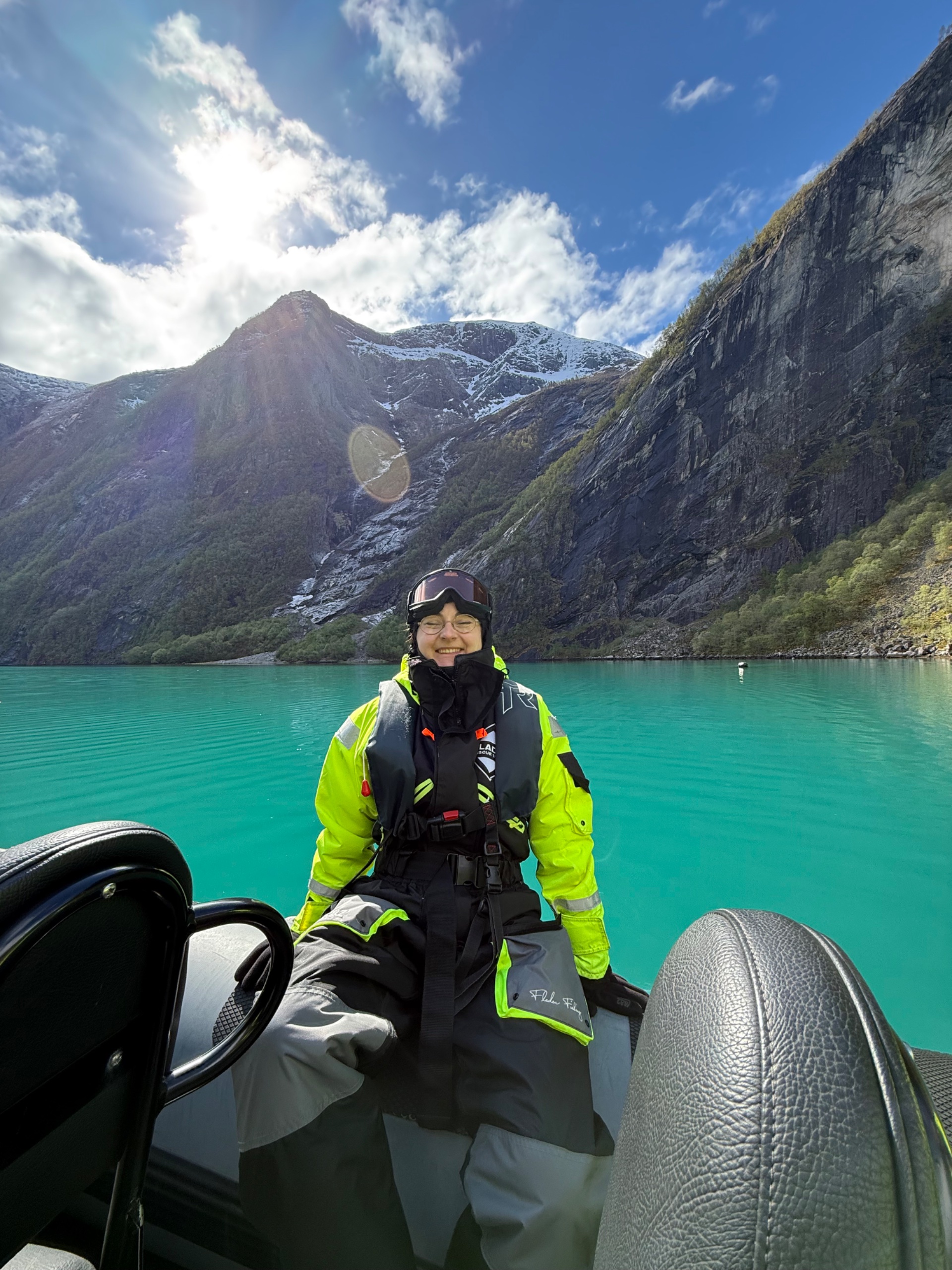
Kayaking Through Silence
For travellers seeking a slower and more intimate connection with nature, kayaking offers one of the most authentic ways to experience the fjords.
Out on the water, there is no engine noise or distraction. Only the sound of the paddle moving through the water and the silence of the surrounding landscape.
Kayaking allows guests to move at their own pace and access places larger boats simply cannot reach. Small coves, hidden shorelines, and towering cliffs suddenly feel close enough to touch. It creates a deep sense of stillness that many travellers are searching for today.
Experiences like this align perfectly with the Nordic way of life. Slower, more intentional, and connected to nature.
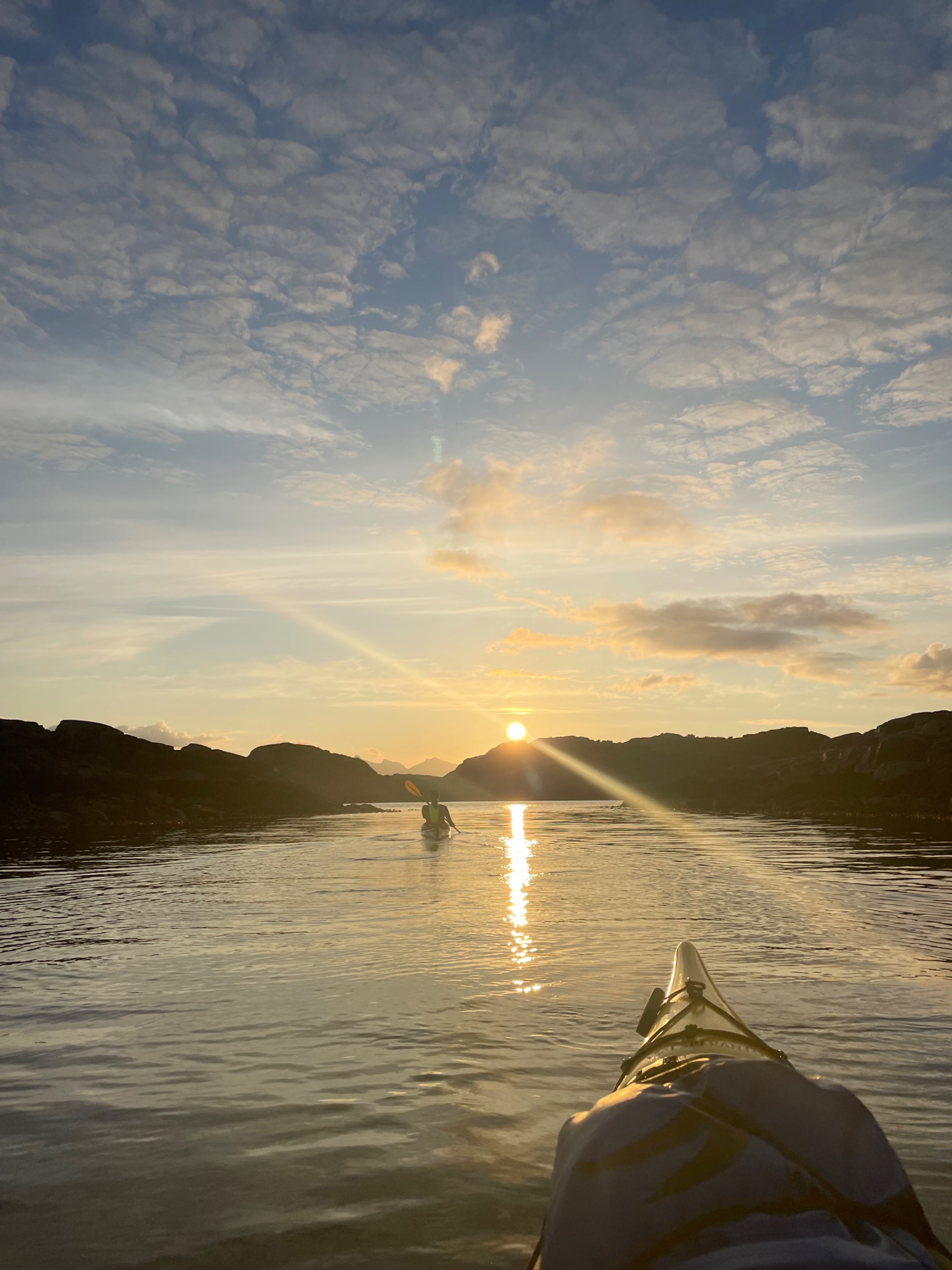
RIB Tours for Adventure and Access
For guests looking for something more adrenaline-driven, RIB tours offer a completely different energy.
Racing across the fjords at speeds of up to 60 knots, with mountains flashing past on either side, creates an unforgettable contrast to the stillness of the landscape itself. Yet beyond the excitement, RIB tours also provide exceptional access to remote corners of the fjords.
These smaller boats can reach isolated areas where there are no roads, no ferries, and sometimes not even electricity lines. Often, these hidden places become the moments guests remember most.
Because groups remain small and intimate, guides are also able to share personal stories about life in the fjords, local history, and the people who continue to live in these remote landscapes today.
The Rise of Private Fjord Cruises
One of the strongest luxury travel trends we are seeing in Norway is demand for private fjord cruises.
For travellers celebrating anniversaries, birthdays, family milestones, or simply looking for a more exclusive way to experience Norway, private cruising creates something incredibly special.
Through our trusted local partners, we work with knowledgeable captains and guides who welcome guests aboard elegant private vessels and share not only the landscapes, but the stories behind them.
These experiences can range from a one-hour scenic cruise to multi-day journeys through the fjords. Along the way, guests may stop at local farms, visit cider producers, enjoy lunches in remote villages, or simply relax onboard while waterfalls cascade down the mountains around them.
What makes these experiences particularly valuable for tailor-made travel is flexibility. Every journey can be adapted to the pace, interests, and travel style of the guest.
Norway Beyond the Postcard
I think what I really felt during this trip was a connection to the old, simpler ways of experiencing Norway. What struck me most was how genuine everything felt. The activities were not created simply for tourists, but shaped by locals sharing their favourite ways of spending time in the fjords and making the most of the landscape around them.
There was something very special about staying in historic hotels like Kviknes, visiting small local farms, and exploring the fjords from the water, just as people have done for generations. Altogether, it created a feeling rooted in simplicity, authenticity, and a deep respect for the past.
Not just as landscapes, but as places where people continue to build lives deeply connected to nature and the rhythm of the water. Along the shoreline, we heard stories of artists living in houses accessible only by boat, couples leaving Oslo to produce cider in remote villages, and communities shaped entirely by the surrounding mountains and sea.
This is the side of Norway we aim to share through our itineraries.
Not simply a destination to see, but a place to truly experience.
And often, the best way to do that is exactly as people have done for centuries – from the water.