Designing a two week winter journey through the Nordics is a test of sequencing. On paper, it can look straightforward. Cities, flights, Arctic lodges, a handful of iconic experiences. In practice, it requires careful judgement about timing, energy and logistics. The difference between an itinerary that impresses and one that feels effortless is rarely about what is included. It is about how it unfolds.
Earlier this year, we designed a fifteen day March journey through Norway and Sweden for two guests. On paper, it included city stays, coastal drives, Arctic lodges and a series of immersive winter activities. In reality, what made it feel seamless was not the number of inclusions. It was the rhythm.
We began in Oslo. That choice was intentional. Cities allow travellers to arrive gently. Private walking tours and a silent fjord cruise introduced culture and landscape without physical intensity. A food experience grounded the journey in flavour and context. Urban settings provide space to adjust to time zone, temperature and pace before moving into more remote environments.
From Oslo, the journey moved south to Stavanger and onward to Lindesnes, where dinner at Under became a defining culinary moment. Only after this progression through southern Norway did the itinerary shift northward.
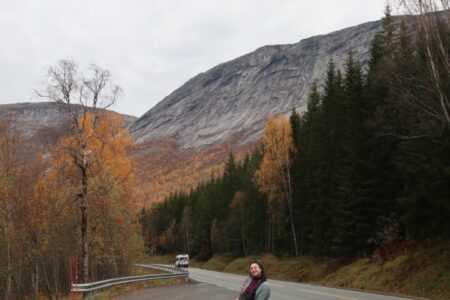
The move to Swedish Lapland was designed as a transition, not a jump. By the time guests arrived at Arctic Retreat, they were ready for the stillness of forest cabins and the possibility of Northern Lights overhead. Moose safari, husky sledding and snowmobile touring were spaced deliberately, each one balanced by afternoons left open for sauna, conversation and quiet reflection. Properties such as Treehotel and Arctic Bath were not treated as overnight stops, but as destinations in themselves, deserving of time.
One of the most overlooked aspects of winter travel in the Nordics is the importance of breathing space. It is tempting to fill every daylight hour, particularly when experiences are seasonal and conditions feel rare. Yet winter demands a slower tempo. Energy shifts in cold climates. Guests need time to absorb what they have seen.
Seamlessness is often the result of decisions that travellers never consciously register. Introducing self drive only once guests were comfortable with conditions. Positioning private transfers at key transition points. Including winter clothing in the Arctic segment to remove packing anxiety. Monitoring luggage allowances so transfers run smoothly. Aligning activity timing with limited daylight hours.
None of these details are dramatic. All of them matter.
What elevates a winter journey from impressive to effortless is the balance between structure and stillness. Cities first, then north. Immersion followed by recovery. Set piece experiences framed by space.
For travel professionals designing multi country winter journeys, the question is rarely how much can be included. It is how well each chapter connects to the next.
If you are exploring Nordic winter itineraries for your clients, we would be delighted to share how we approach routing, pacing and delivery.
For travel professionals designing complex Nordic winter itineraries, we are here to ensure every chapter connects seamlessly from south to north.