By Jolien, Travel Designer at All Nordics
Sweden is a country full of beautiful landscapes, fascinating traditions and wonderful places to discover. But every now and then, I visit somewhere that feels like it brings together everything I love about this country in one place.
For me, Dalarna is exactly that.
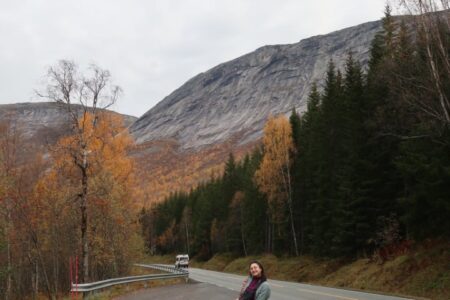
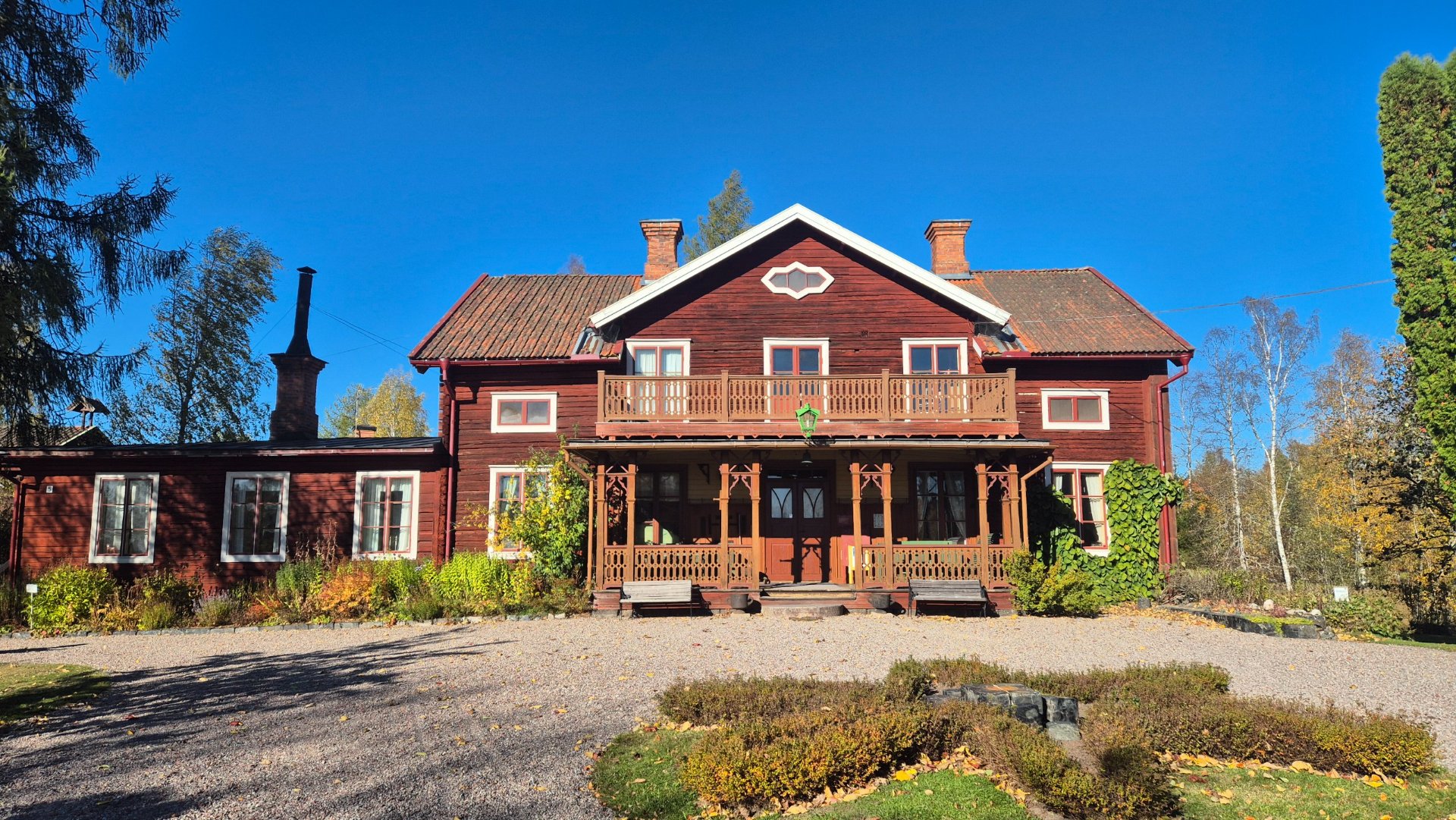
Often described as “Sweden in miniature,” Dalarna offers an incredible variety of landscapes, from picturesque countryside dotted with traditional red farmhouses to peaceful lakes, charming villages and the mountains of northern Dalarna.
I recently had the opportunity to explore this beautiful region, visit local partners and discover some of the experiences we can offer our guests. What I loved most was how authentic everything felt. Dalarna has managed to hold on to so much of its traditional Swedish character, and it’s a wonderful destination for travellers who want to experience a more local side of Sweden.
A Little Bit of Everything Sweden Has to Offer
One of the things that surprised me most about Dalarna was just how much variety there is within one region.
You can spend your morning exploring a traditional village surrounded by rolling countryside, enjoy lunch overlooking a beautiful lake and then head towards the mountains for an entirely different landscape.
What makes it even more special is the atmosphere. Many of the villages, hotels and experiences feel wonderfully undiscovered.
There’s something lovely about wandering through a village where everyday life continues around you, rather than feeling like everything has been created for visitors.
For me, this is what makes Dalarna such a fantastic addition to a Swedish itinerary. You get to experience so many different sides of the country while discovering places that still feel like hidden gems.
Where Swedish Traditions Are Still Very Much Alive
One of my favourite things about travelling is discovering local traditions and understanding how they shape the places we visit.
In Dalarna, traditions are not simply something you learn about in a museum. They are still a part of everyday life.
In some villages, locals continue to wear their beautiful traditional costumes, known as folkdräkter, for special Sunday gatherings, celebrations and public holidays.
These colourful outfits are often specific to individual villages, with different patterns, embroidery and designs that have been passed down through generations.
I love that there is still such pride in preserving these traditions. It gives the region a very special identity and creates opportunities for visitors to connect with Swedish culture in a meaningful way.
Midsummer: The Biggest Celebration of the Year
If you’re looking for somewhere to experience a truly traditional Swedish Midsummer, I can’t think of many places more fitting than Dalarna.
Midsummer, or Midsommar, is celebrated throughout Sweden, but in Dalarna it is particularly important. In many communities, the celebrations are even more significant than Christmas!
Villages come together for traditional dancing, music, flower crowns and the raising of the Midsummer maypole.
Something I found especially interesting is that, in some villages, the maypoles remain standing throughout the entire year. As you explore the region, you’ll spot them dotted around different communities, sometimes with several in one village.
I think Dalarna would be an incredible place for guests to experience Midsummer, particularly those who want to feel part of a traditional Swedish celebration rather than simply observe it from the sidelines.
Being able to introduce travellers to these genuine cultural experiences is one of the things I enjoy most about creating Nordic itineraries.
The Dala Horse: A Personal Favourite!
As a horse lover, I have to admit that one of my favourite parts of visiting Dalarna was discovering more about the famous wooden Dala horses!
These beautifully decorated horses are probably one of Sweden’s most recognisable souvenirs. Traditionally carved from wood and painted in bright colours, particularly red, they have become a symbol of Swedish craftsmanship and heritage.
But what I found most interesting was learning about the work that goes into making them.
Each horse is carved and decorated by hand, following techniques and painting traditions that have been passed down through generations.
We can arrange guided visits behind the scenes at a traditional Dala horse workshop, where guests can see how the horses are made and learn about the people keeping this wonderful craft alive.
You can even paint your own Dala horse!
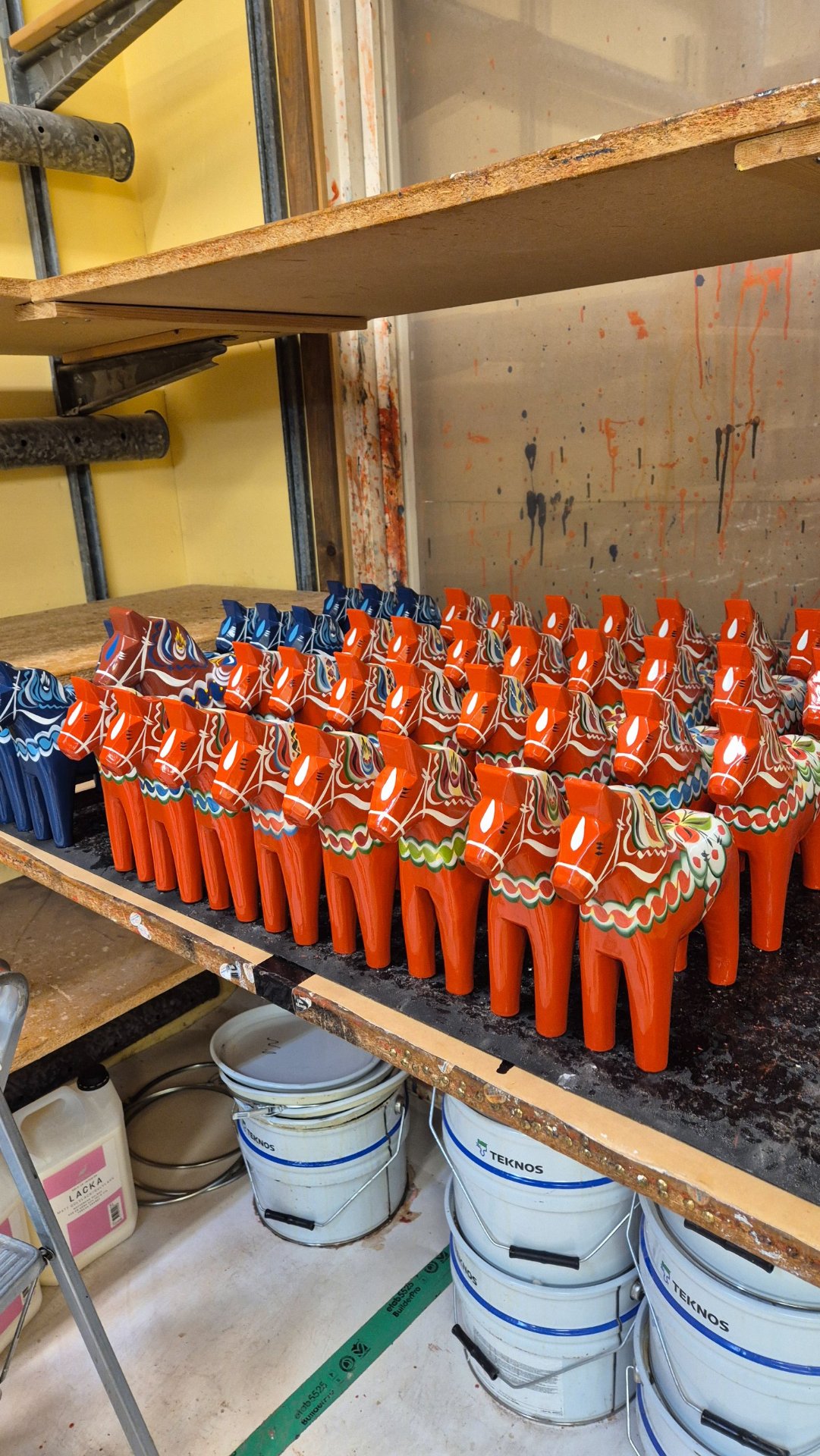
I absolutely love experiences like this because they allow guests to get involved, meet local craftspeople and take something home that has a real story and a personal connection to their travels.
And, of course, I don’t think I could visit Dalarna without wanting to bring a Dala horse home myself!
Exploring the Fascinating Falun Copper Mine
Another experience that really impressed me was visiting Falun Copper Mine.
I knew the mine was historically important, but I hadn’t realised just how much influence it had on Sweden.
Mining here dates back to around the 11th century, and operations continued until 1992, meaning the mine has only been closed for a little over 30 years.
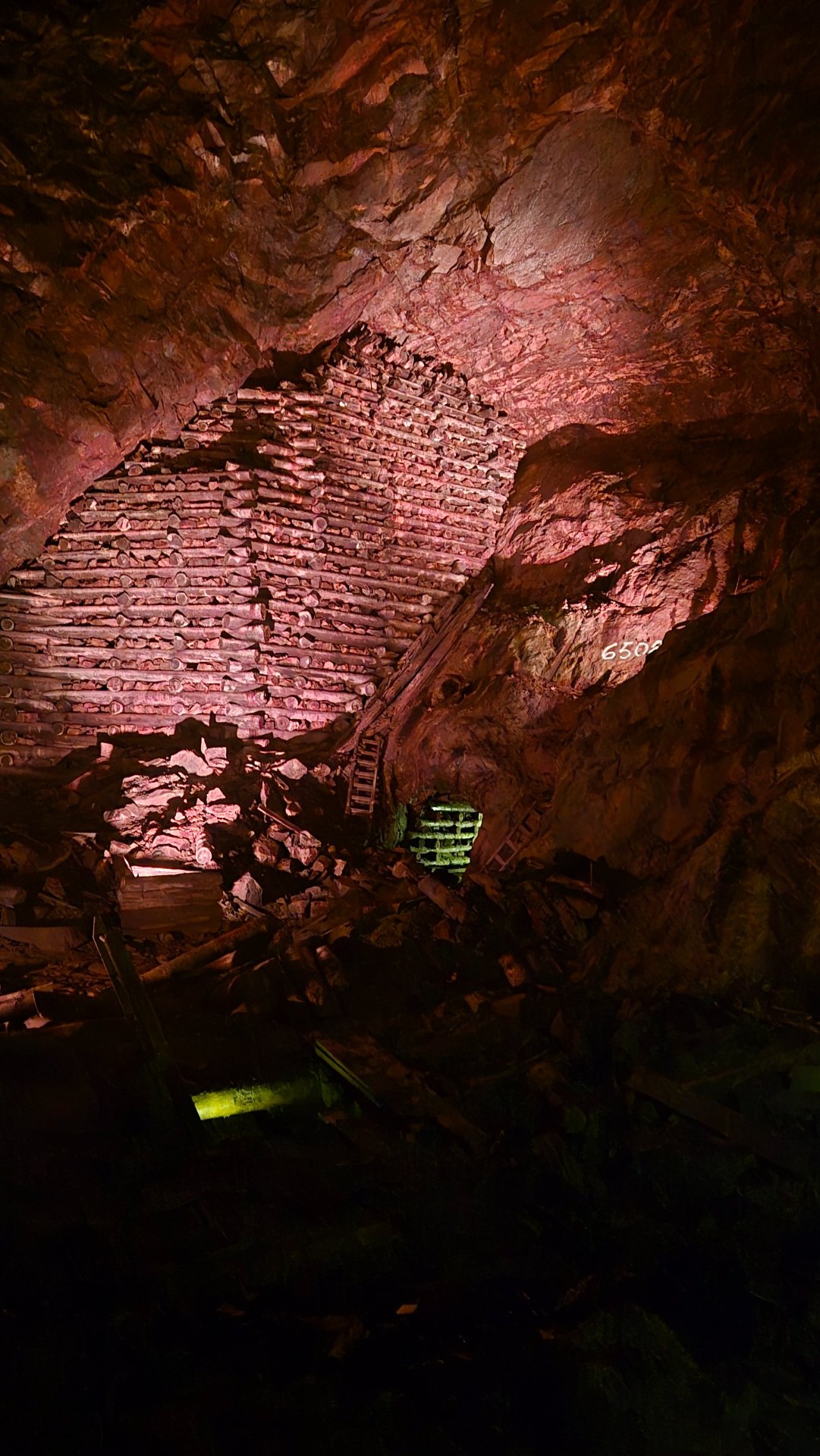
During my visit, we travelled approximately 60 metres underground to explore the old mining tunnels.
It was fascinating to see the mine from the inside and learn about the working conditions, the people who spent their lives underground and the enormous impact the mining industry had on the surrounding communities.
One of the most interesting things I discovered was the connection between the mine and Sweden’s famous red wooden houses.
The traditional red paint, known as Falu Rödfärg, originated from pigments produced using mineral-rich material from the mining area.
Today, those beautiful red houses are one of the most recognisable features of the Swedish countryside, and it was wonderful to learn about the history behind them.
Falun Copper Mine is also a UNESCO World Heritage Site, and I would highly recommend a visit to anyone interested in Swedish history and culture.
Private guided tours are possible too, which makes it an excellent experience to incorporate into a bespoke itinerary for guests who want to explore the fascinating history in greater detail.
Traditional Hotels with the Most Beautiful Lakeside Views
Of course, an important part of my trip was discovering some of the wonderful places our guests could stay.
Dalarna has some incredibly charming and authentic hotels, many situated in beautiful countryside locations with spectacular views across the lakes.
What I particularly enjoyed was how traditional many of the properties felt.
Rather than large international hotels, there are lovely places that reflect the character of the region, with warm hospitality, cosy interiors and a real sense of Swedish heritage.
And the views!
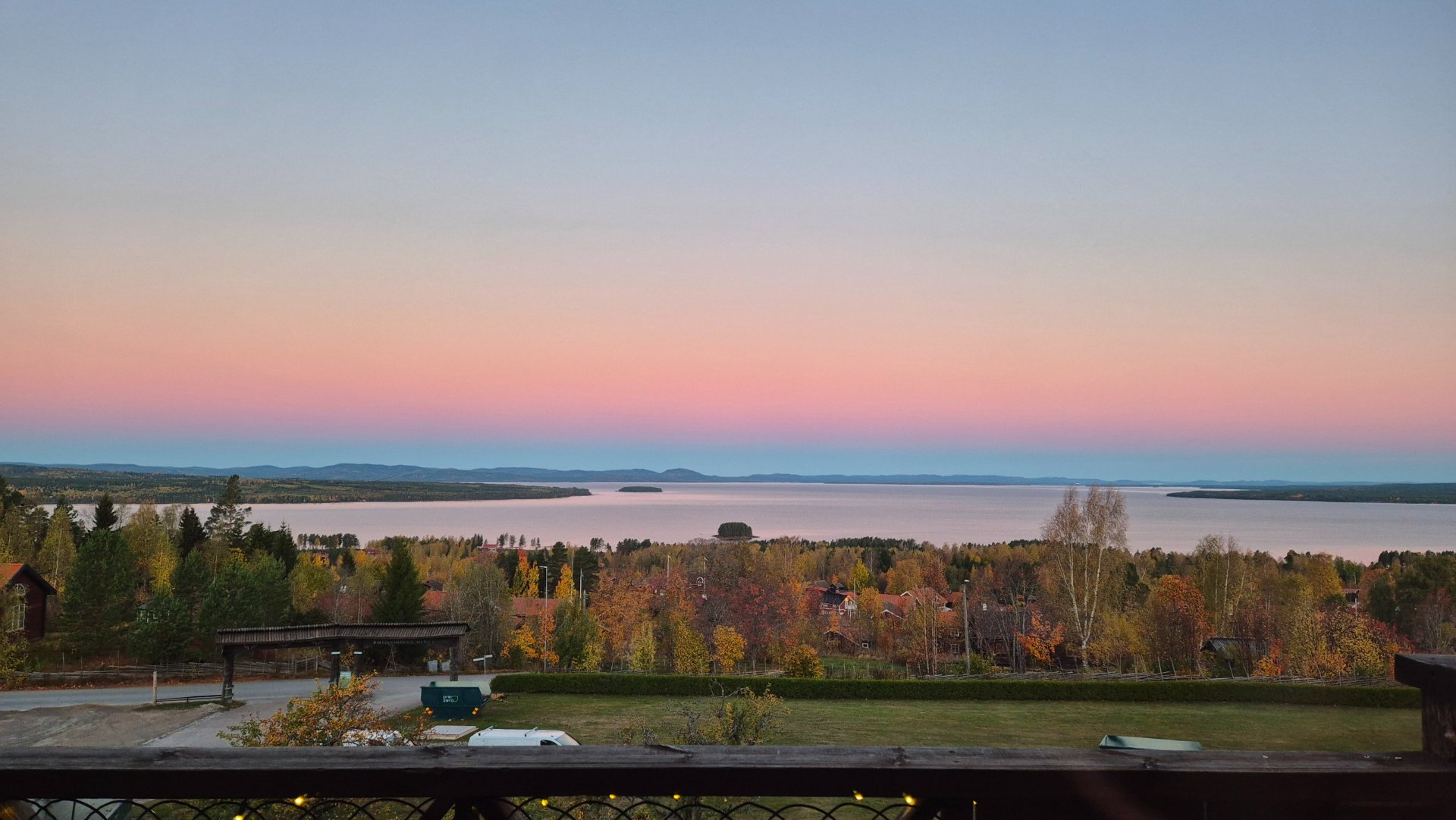
There is something so peaceful about looking out across a lake, surrounded by forests and